Read
Turning Paid Search into an Engine for Service Line Growth
Recapping our HCIC 2025 Presentation with Houston Methodist
With 75% of U.S. adults turning to the internet first for health information, and 85% of them starting with a search engine, paid search is the front door to patient acquisition.
However, increasingly limited visibility has made it harder to connect those searches to real outcomes with confidence. Houston Methodist treated this privacy era as a rare opportunity to simplify its approach, realign stakeholders, and modernize paid search around what truly drives service line results.
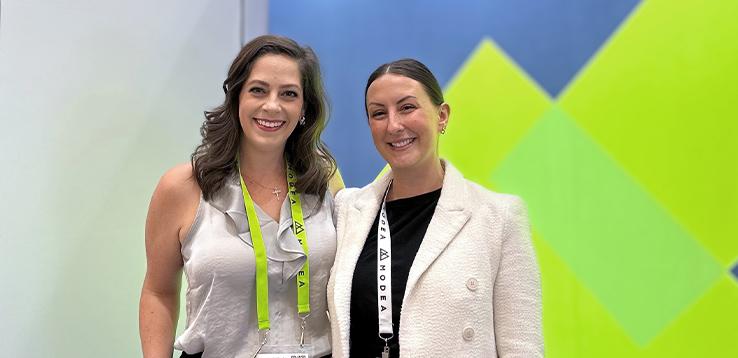
 At this year’s Healthcare Interactive Conference (HCIC), Claire Wirtanen, Associate Director of Paid Media at Fathom, and Rachel Ryan, Senior Digital Program Manager of Paid Search at Houston Methodist, shared how this modernization came to life.
Grounding in marketing principles simplifies decision-making
The session opened by anchoring paid search in its core role as a bottom-of-funnel channel built to capture existing demand when patients are actively seeking care. By clearly defining what paid search can and can’t do, it simplifies decisions across prioritization, optimization, and budget advocacy. That principle-based framing helps stakeholders understand how paid search protects share of voice, converts high-intent demand into calls and appointments, and supports the service lines that matter most.
Alignment and shared definitions are the first step in data fluency
As measurement expectations grow, performance terms often mean different things to different teams. Houston Methodist tackled this by aligning stakeholders around shared definitions, especially for intent actions, or the behaviors that signal readiness to schedule care. This alignment became the foundation for their data-fluency journey, ensuring teams work from the same language and pursue the same service line goals.
Set preliminary milestones toward a full measurement framework
Rather than waiting to build a perfect framework all at once, the team mapped early milestones to build momentum. They re-established stability with interim benchmarks like click goal, CTR, average CPC, and share of voice, then layered in intent-action goals, cost per intent action, and intent-action rate. Those milestones made progress visible, improved decision-making week to week, and connected tactical optimization to true growth outcomes.
Advocating for goals with a decision framework
A throughline of the session was Rachel’s role as a champion for paid search. She uses a consistent decision framework to advocate for goals, helping internal partners understand the “why” behind priorities and the tradeoffs required to drive performance. Claire shared how Fathom supports that advocacy by reinforcing a principle-based strategy, providing analysis behind keyword and intent shifts, and building a measurement roadmap stakeholders can see and trust.
Clarity first, growth follows
Houston Methodist showed that modern paid search starts with clarity: stay grounded in what search is built to do, align on shared success definitions, and build measurement in stages. That’s how the channel becomes a reliable driver of service line growth, even with limited tracking.